

.jpg)



Going with broad DMA targeting rather than a tight radius setup during live-event windows lowered CPA by -30%
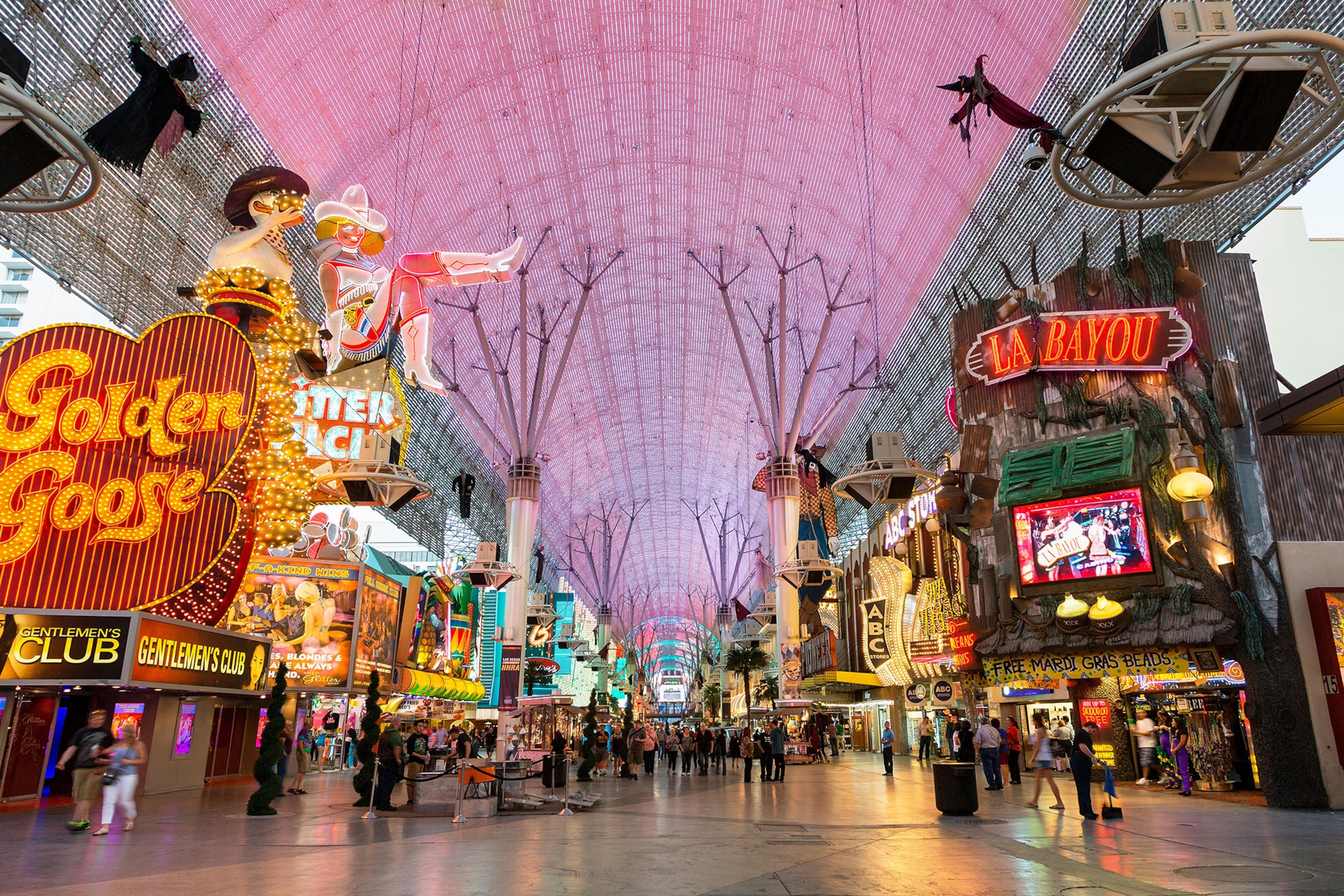
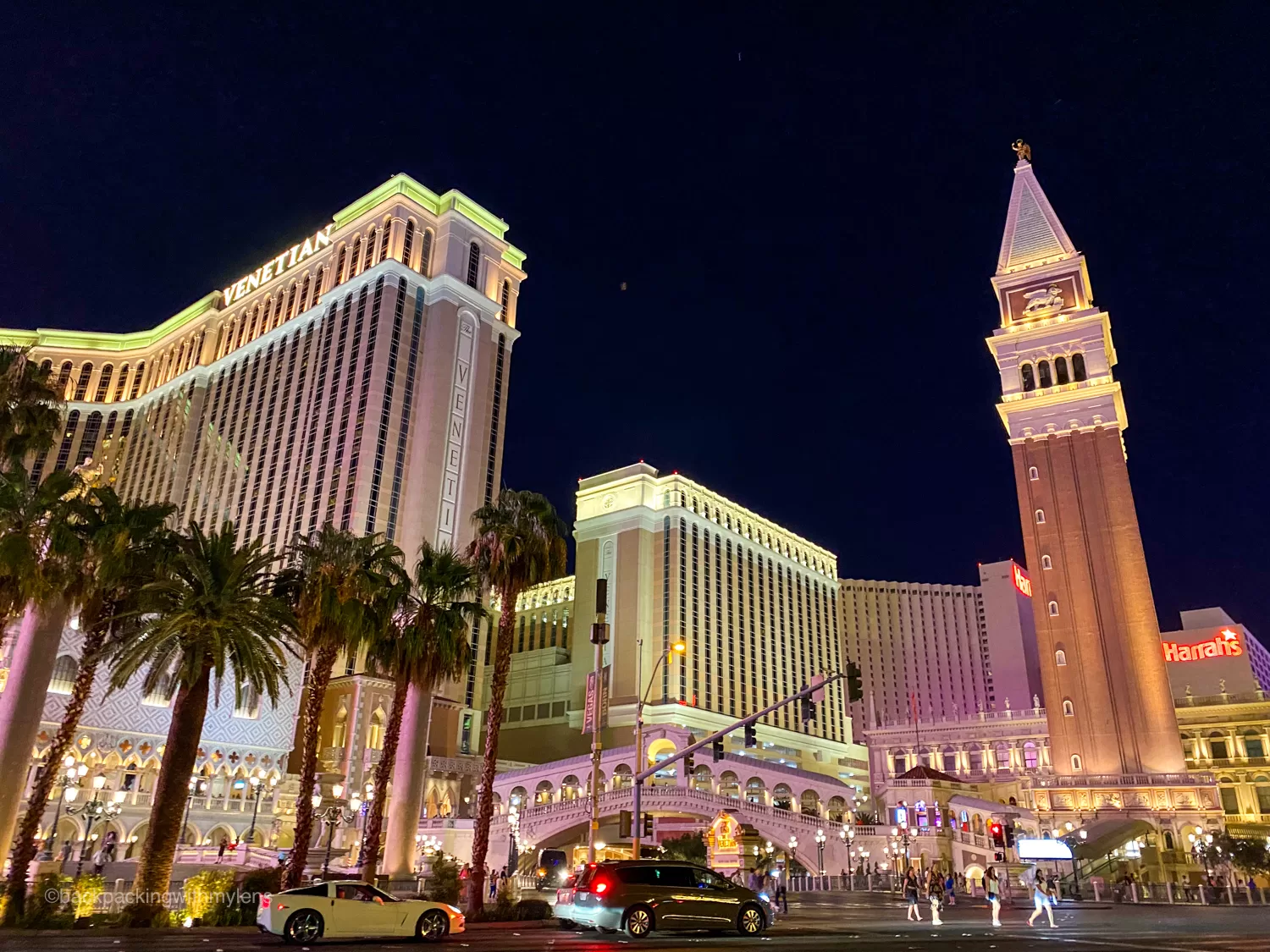
Live events, whether stadium-level sports, music tours, or high-profile entertainment, create a powerful halo opportunity for brand marketers. During these peak periods, regional entertainment hubs experience a massive influx of consumers who over-index with travel, hospitality, and dining brands. For example, 2025 was a historic year for stadium-level events, with world tours and sporting spectacles generating over a +35% YoY increase in ride volume in entertainment capitals like Las Vegas. This regional momentum is set to accelerate globally as the 2026 FIFA World Cup arrives in the USA, promising an unprecedented, sustained surge in travel and hyper-localized consumer demand.
Previously, we proved the value of capturing this high-intent audience in motion through an innovative pilot with Uber Journey Ads, achieving a 1.58% click-through rate by securing 100% Share of Voice for a premier Las Vegas luxury resort. However, as trusted business advisors, our relentless pursuit of more pushed us to take this strategy one step further. We wanted to analyze how geographic targeting constraints (DMA vs. hyper-local radius targeting) impact media efficiency in digital performance when a market is flooded with high-value event traffic.
Traditional performance marketing logic dictates using hyper-local radius targeting (e.g., a 1- to 3-mile radius around a venue or restaurant) to capture foot traffic in real time. Yet, internal data and engine mechanics suggest that overly restrictive parameters create audience fragmentation and drive up costs. The opportunity lay in testing whether a broader regional setup would give the ad platform's optimization algorithms the flexibility required to find high-intent consumers more efficiently within a crowded marketplace.
The Strategy: Unleashing the Optimization Engine
To find the optimal balance between precision and scale, Net Conversion designed a structured paid media campaign on Meta targeting incoming travelers and local event-goers seeking premier dining options at our luxury resort property during high-volume entertainment periods. The media execution was deployed across Facebook and Instagram using high-impact placements tailored to mobile users actively exploring the Las Vegas Strip. To isolate the geographic variable, we established an A/B test split into two distinct cells across three independent restaurant concepts at the resort:
- Cell 1 (DMA Targeting): A broad regional setup spanning the designated market area, allowing Meta's delivery system to seek out users with the highest propensity to convert based on real-time signal data.
- Cell 2 (Radius Targeting): A strict, hyper-local radius constraint restricting ad delivery exclusively to users physically located within the immediate vicinity of the resort properties.
By cross-referencing log-level ad interaction data with downstream web actions and digital reservation logs, we were able to isolate the CPA and conversion volume generated by each geographic cell. This automated framework ensured absolute accountability, demonstrating that it enabled native machine learning models to adjust budget distribution most effectively in real time.
The Results: Broader Setup, Superior Bottom-Line ROI
The test data revealed that hyper-local constraints often bottleneck delivery algorithms during high-density market events:
- 30% Reduction in CPA: Across the board, transitioning from strict radius targeting to broad DMA targeting lowered the overall Cost Per Acquisition by -30%.
- Algorithmic Outperformance: In 2 out of the 3 independent restaurant A/B tests, DMA targeting significantly outperformed the radius control cell by unlocking lower-cost conversions.
- Enhanced Conversion Efficiency: Allowing wider parameters gave the native optimization engine the sample size it needed to self-correct and pinpoint high-value patrons without incurring the premium costs associated with narrow-radius bidding.
Ultimately, the test demonstrated that when a market is flooded with seasonal or event-driven demand, such as a major concert residency at the Sphere or an international sporting spectacle like FIFA, imposing rigid physical boundaries harms efficiency. By using a model-centric, integrated framework, Net Conversion helped our partner move beyond standard media assumptions to achieve sustainable, profitable growth.
.png)
.png)
.png)
.png)
